
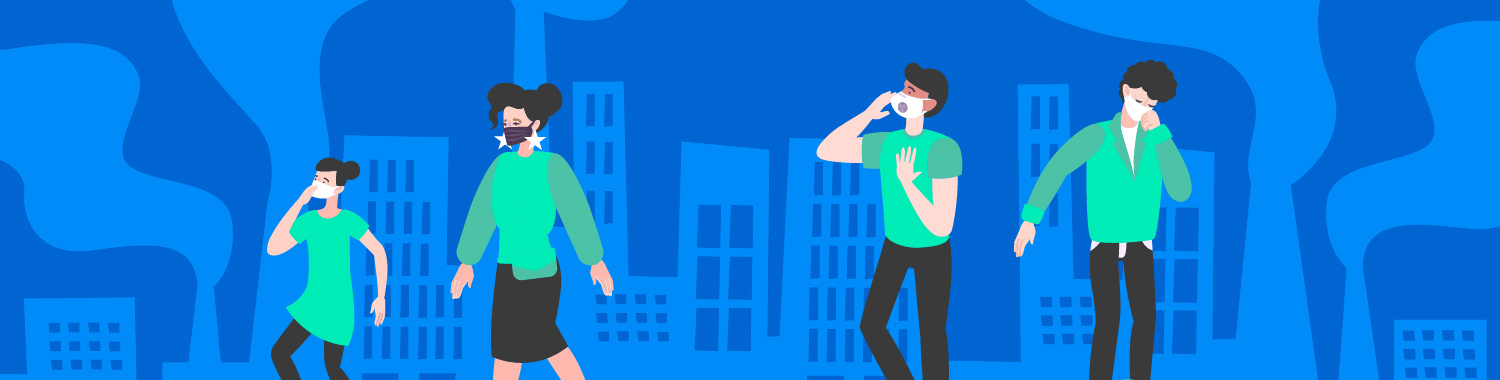
Air quality plays an important role in your overall health, especially when it comes to your lungs. With changing environmental conditions and rising pollution levels, it’s becoming more important to understand how the air around you can affect your well-being.
The Air Quality Index (AQI) is a simple way to measure how clean or polluted the air is, and consequently, what it means for your health.
What is AQI?
AQI, or Air Quality Index, is a scale used to show how polluted the air is on a given day.
The higher the AQI, the greater the level of air pollution and the higher the potential health risk. On the other hand, lower AQI levels indicate cleaner air and safer conditions for outdoor activities.
How Poor Air Quality Affects Your Lungs
When air quality is poor, harmful particles in the air can enter your respiratory system and affect your lungs.
Some common effects include:
- Difficulty breathing
- Coughing or throat irritation
- Increased risk of respiratory conditions
- Worsening of existing conditions such as asthma
Long-term exposure to polluted air can also impact overall lung function.
Who is Most at Risk
While poor air quality can affect anyone, some individuals may be more sensitive:
- Children
- Older adults
- People with asthma or respiratory conditions
- Individuals exposed to outdoor environments for long periods
Being aware of your risk can help you take extra precautions when needed.
Simple Ways to Protect Your Lung Health
You don’t need complicated solutions to reduce your exposure. Instead, small steps can make a difference:
Check AQI Levels
Monitor air quality before going outdoors, especially during high pollution days.
Limit Outdoor Exposure
Avoid spending long periods outside when AQI levels are high.
Wear a Mask When Needed
Additionally, using a mask can help reduce inhalation of harmful particles in polluted environments.
Keep Indoor Air Clean
Ensure proper ventilation and reduce indoor pollutants whenever possible.
When to Seek Medical Advice
If you experience symptoms such as persistent coughing, difficulty breathing, or worsening respiratory conditions, it may be best to consult a healthcare professional. Early attention can help prevent complications and protect your lung health.
It Pays to Be Informed
Air quality can have a direct impact on your lungs and overall well-being. Understanding how environmental factors affect your respiratory health can, therefore, help you make better choices for long-term well-being.
Download the Medgate app today from the App Store or Google Play to access reliable health information and expert consultations anytime.
For personalized health guidance you can trust, you may also connect through Facebook Messenger or call the numbers below:
Landline: 84241737
Globe: 09175362156
Smart: 09190580500
Available 24/7, including holidays, to support your healthcare needs.
References
World Health Organization. Air pollution.
Explains how air pollution affects health and the environment.
👉 https://www.who.int/health-topics/air-pollution
United States Environmental Protection Agency. Air Quality Index (AQI) Basics.
Provides an overview of AQI levels and health implications.
👉 https://www.airnow.gov/aqi/aqi-basics/
Centers for Disease Control and Prevention (CDC). Air pollution and your health.
Details how air quality impacts respiratory health.
👉 https://www.cdc.gov/air/pollution.htm
American Lung Association. Health effects of air pollution.
Explains the impact of polluted air on lung health.
👉 https://www.lung.org/clean-air/outdoors/what-makes-air-unhealthy