
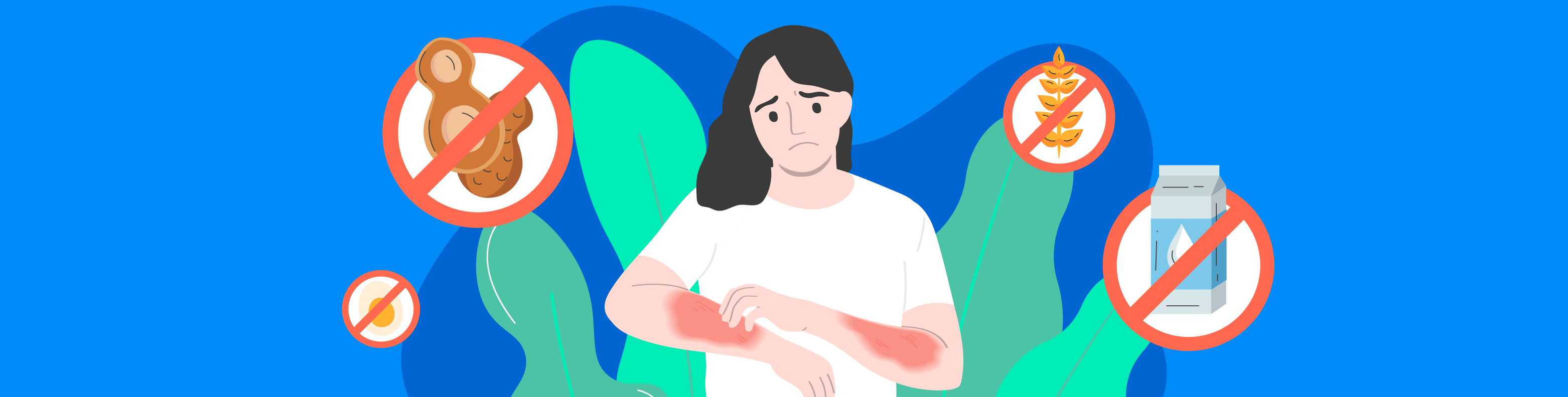
Food allergy vs. food intolerance is a common topic that can sometimes be confusing. Although both conditions may happen after eating certain foods, they affect the body differently. Understanding these differences is important because some reactions may be uncomfortable, while others can become serious or even life-threatening.
Moreover, knowing how your body responds to certain foods can help you make safer dietary choices and seek proper medical care when needed.
What Is a Food Allergy?
A food allergy happens when the immune system mistakenly identifies a certain food as harmful. As a result, the body releases chemicals such as histamine, which can trigger an allergic reaction.
Even small amounts of the food may cause symptoms. Common food allergens include:
- Peanuts
- Tree nuts
- Eggs
- Milk
- Shellfish
- Fish
- Soy
- Wheat
In some cases, food allergies may cause severe reactions that require immediate medical attention.
Common Symptoms of Food Allergy
Food allergy symptoms often appear quickly after eating the trigger food. These may include:
- Hives or skin rashes
- Swelling of the lips, tongue, or throat
- Itching
- Difficulty breathing
- Dizziness
- Nausea or vomiting
Additionally, severe allergic reactions may lead to anaphylaxis, which is a medical emergency.
What Is Food Intolerance?
Food intolerance is different because it does not involve the immune system. Instead, it usually happens when the body has difficulty digesting certain foods or ingredients.
For example, lactose intolerance occurs when the body lacks enough lactase, the enzyme needed to digest lactose found in dairy products.
Although food intolerance can be uncomfortable, it is generally less dangerous than a food allergy.
Common Symptoms of Food Intolerance
Symptoms of food intolerance are usually related to digestion and may develop more slowly. These can include:
- Bloating
- Gas
- Stomach pain
- Diarrhea
- Headaches
- Nausea
Furthermore, symptoms may depend on the amount of food consumed.
Key Differences Between Food Allergy and Food Intolerance
While both conditions may cause discomfort after eating, there are important differences.
A food allergy involves the immune system and may trigger severe reactions even after consuming small amounts of food. Meanwhile, food intolerance mainly affects digestion and is often less severe.
Additionally, food allergy symptoms tend to appear quickly, whereas food intolerance symptoms may take longer to develop.
Understanding these differences can help people respond appropriately and avoid unnecessary health risks.
When to Seek Medical Advice
It is important to seek medical advice if you experience recurring symptoms after eating certain foods. Moreover, immediate medical attention is necessary if symptoms include difficulty breathing, swelling, or severe allergic reactions.
Proper evaluation can help identify triggers and guide safer food choices moving forward.
Stay Informed About Your Health
Being aware of how your body reacts to food can support better overall health and wellness. Whether symptoms are caused by food allergy or food intolerance, early guidance from a healthcare professional can help prevent complications and improve quality of life.
Download the Medgate app today from the App Store or Google Play to access reliable health information and expert consultations anytime.
For personalized health guidance you can trust, you may also connect through Facebook Messenger or call the numbers below:
Landline: 84241737
Globe: 09175362156
Smart: 09190580500
Available 24/7, including holidays, to support your healthcare needs.
References
World Health Organization. Healthy diet and food safety.
Explains food-related health risks and nutrition guidance.
👉 https://www.who.int/news-room/fact-sheets/detail/healthy-diet
UTMB News.
Provides information on food allergy symptoms, causes, and treatment.
👉https://www.utmb.edu/news/article/health-blog/2026/03/16/food-allergy-vs.-food-intolerance–what-s-the-difference
Better Health Channel.
Explains causes and symptoms of food intolerance.
👉https://www.betterhealth.vic.gov.au/health/conditionsandtreatments/food-allergy-and-intolerance#bhc-content